
































































































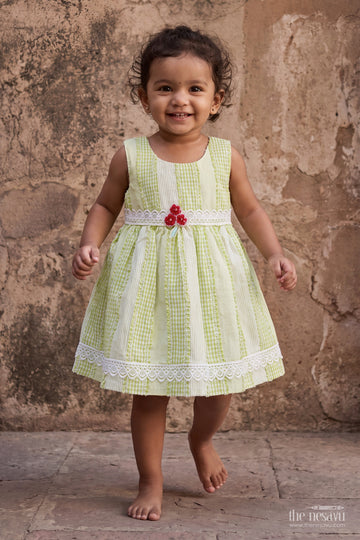
































































Quick answer: Your child can go to an English-medium school and still grow up speaking your language, as long as it stays the language of fun and love at home, not a lesson. Pick two or three small habits from the list below, keep them cheerful, and do not correct every mistake. Ten minutes a day of real, happy talking beats an hour of forced practice.
Why the mother tongue slips
It is nobody's fault. School runs in English, cartoons are in English, and cousins mix languages in the same sentence. By four or five, many children understand everything you say but answer in English. That is a very common stage, and it is not a sign that your efforts have failed.
The one rule: make it the language of the good stuff
Children hold on to the language that goes with warmth, treats, stories and games. So give your mother tongue the best moments of the day: bedtime, food, grandparents, festivals. Save the nagging for English homework if you must.
10 easy habits
- One anchor moment. Pick a daily slot, like the bedtime story or lullaby, and keep it in your language every single day.
- Kitchen words. Let your child wash vegetables, count tomatoes and smell the tadka while you name everything. Food words stick the fastest.
- A fixed call with grandparents. Same time every week, on speaker, and let your child show a drawing or a new trick.
- Sing it. Rhymes, film songs, temple songs, anything with a tune. Children pick up words through songs without trying.
- Play I-spy in your language in the car or at the market. Our car games printable has easy ideas you can switch to your language.
- Tell the story behind the festival. At Pongal, Vinayagar Chaturthi, Onam or Ugadi, tell the story in your language while you set up the pooja.
- Repeat, do not correct. If your child says a mixed sentence, say it back the right way, cheerfully, and carry on. No tests, no 'say it properly'.
- Picture books and comics. Borrow or buy a few in your language and keep them next to the English ones, at the same height.
- Tiny writing jobs. Write your child's name in your script, a two-item shopping list, or a short card for Ammamma or Thatha.
- One home-language meal a week. Sunday lunch, only your language, with a silly prize for the table like choosing the dessert.
A simple first week
Do not start all ten at once. Try this and see what sticks:
- Monday to Friday: the bedtime story or lullaby in your language, five minutes only.
- Saturday: name five things in the kitchen while you cook together.
- Sunday: the grandparent call, then the home-language lunch.
After a week, keep what felt easy and drop what felt like homework. A habit that survives a busy Tuesday is worth ten that look good on paper.
Mistakes that backfire
- Asking your child to 'say it in Tamil' (or Telugu, Kannada, Malayalam) in front of guests. It feels like a performance test.
- Switching to English the moment your child struggles for a word. Wait a few seconds, or offer the word and move on.
- Comparing with a cousin who speaks fluently.
- Making it a punishment, as in 'No cartoons until you speak properly'.
What if my child only answers in English?
Keep speaking your language and respond naturally, as if you understood every word, which you did. Do not insist on a reply in your language. Mixing the two is a normal stage, and children are quite capable of learning more than one language. Understanding comes first, speaking follows later, sometimes much later.
Make festival days the big language days
Festivals are the easiest place to build pride and words together. Dressing up helps children feel the occasion. A pattu pavadai or a kurta from our traditional wear collection turns the pooja room into a little stage where stories feel real. Our pieces are ready stock and dispatch in 1 to 3 business days.
When to call the doctor
If your child seems to have trouble understanding or speaking in all the languages they hear, or you are worried about their speech or hearing, speak to your paediatrician. Do not wait because someone says 'two languages cause delay'. This is general information, not medical advice.
Frequently asked questions
Will speaking two languages confuse my child?
Children can learn more than one language. Mixing words from both in the same sentence is a normal phase and usually sorts itself out with time and exposure.
My child understands but will not speak our language. What now?
That is very common. Keep speaking to them in your language, add songs, stories and grandparent calls, and avoid pressure or corrections.
When should I talk to a doctor about my child's speech?
If your child has trouble understanding or speaking in all their languages, or you have any worry about speech or hearing, speak to your paediatrician.