

























































Quick answer: Stay out of the verdict. Calm yourself first, separate the kids if anyone is getting hurt, let each child tell their side in turn, name the feelings you see, and then ask them to find a fix. Fair does not mean equal every time. It means every child feels heard.
Why siblings fight so much
Fights between brothers and sisters are very common, and most of them are not about the toy or the remote. Children are competing for your attention, for space, and for a sense of fairness. Add hunger, tiredness after school and boredom during holidays, and you have a daily show. Fighting is a sign of an active relationship. How you respond decides whether it teaches them something or just gets louder.
The 5-step calm script
- Pause yourself. Take one slow breath before you speak. Kids copy the volume you bring.
- Separate if needed. If anyone is hitting or being hurt, step in and give everyone a few minutes apart. Say, "We stop first, then we talk."
- Hear each side, one at a time. Give each child about a minute with no interruptions. Use a spoon or a toy as the talking object.
- Name the feelings. "You were angry because he took your pencil. And you felt left out." Naming feelings often drops the temperature fast.
- Ask for the fix. "What can you two try so this works for both of you?" If they are stuck, offer two choices.
Stop picking sides (without ignoring the problem)
Asking "Who started it?" almost never gets a true answer and teaches kids to build a case. Try these instead:
- Instead of "Who did it?" say "I can see two upset kids. Let us fix this."
- Instead of "You are older, you should know better" say "Hitting is not okay in this house, for anyone."
- Instead of "Why can you not be like your sister?" say "I know this is hard. What do you need right now?"
- Instead of "Just share!" say "You can have it for five minutes, then it is your brother's turn."
The "you are the elder one" trap
In many Indian homes, the older child hears "Adjust, you are elder" all day. It sounds reasonable to us. To the older child, it feels like losing every time. The younger one learns that crying wins. Try giving older kids real privileges that match their age, like a later bedtime or a say in the weekend plan, and expect the younger one to follow the same rules about hitting and taking things.
House rules that really help
Agree on three or four rules on a calm day, and write them down together:
- No hitting, pushing or name-calling.
- Ask before you take or use something that is not yours.
- Everyone gets their own space or box for private things.
- If it is getting too big, say "I need a break" and walk away.
Prevent the next fight
- Ten minutes alone with each child every day, with no phones. It fills the attention tank.
- Check the basics first. Hungry and tired kids fight more. A snack after school can end a lot of arguments.
- Give them a team job. Setting the table or watering plants together builds a sense of "us".
- Build in solo time. Even close siblings need a break from each other, especially in long holidays.
Free printables
Our free Feelings Chart helps kids point to what they feel when words fail, and our Chore Chart gives siblings fair, clear jobs so nobody feels they are doing more than the other.
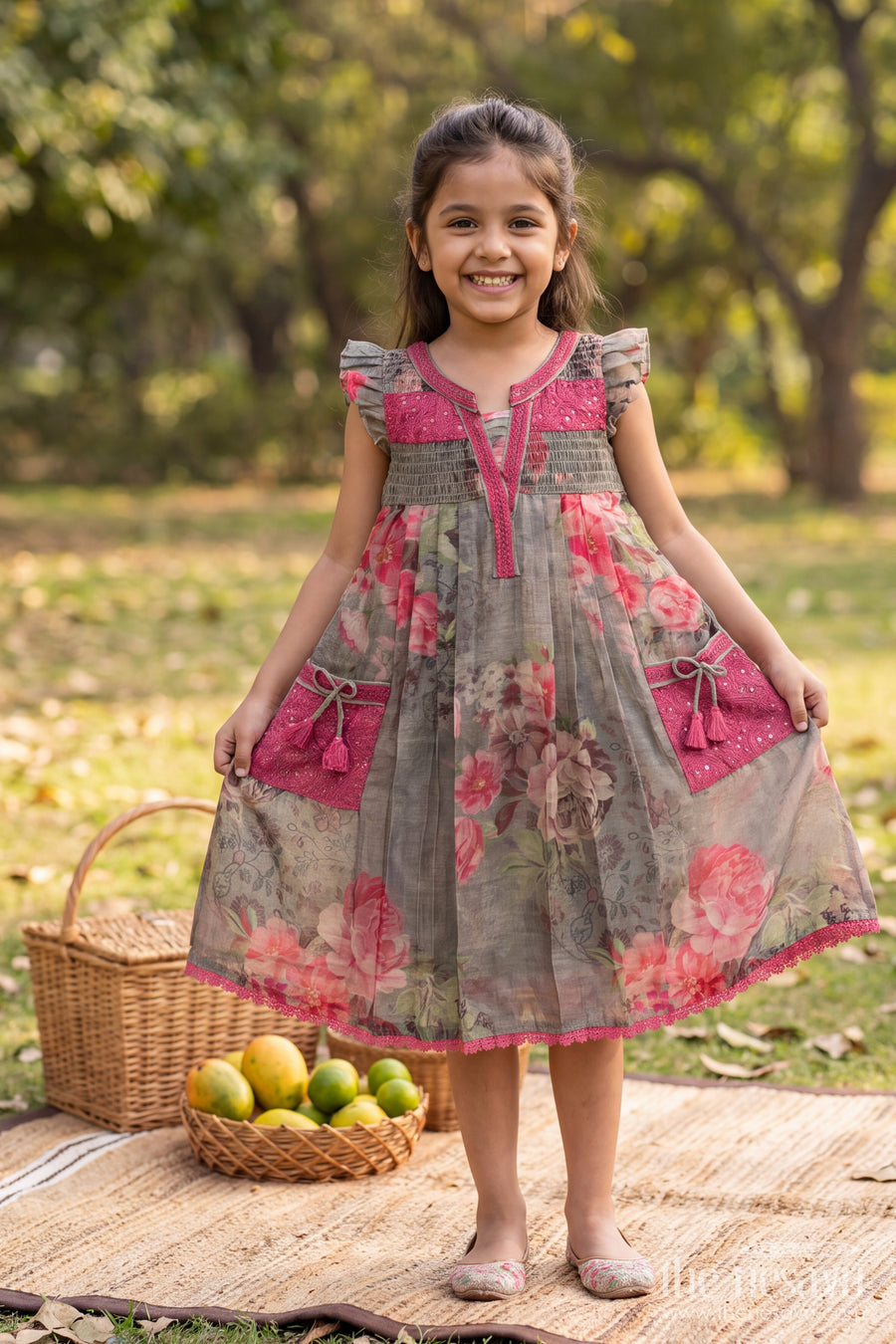
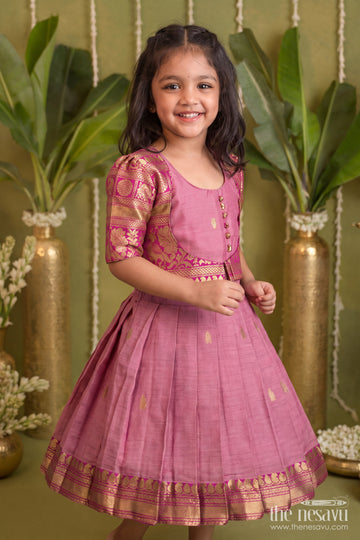
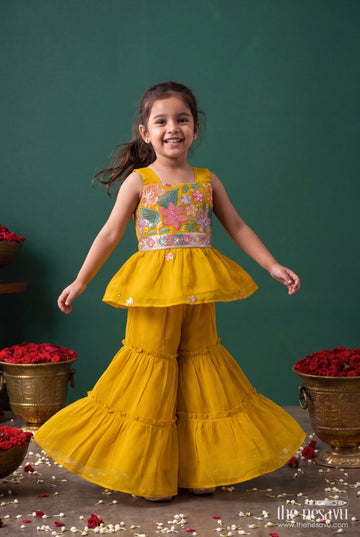
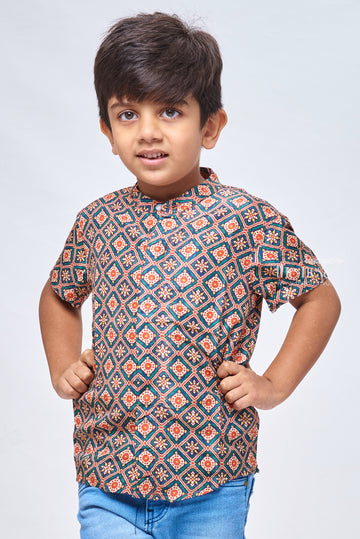
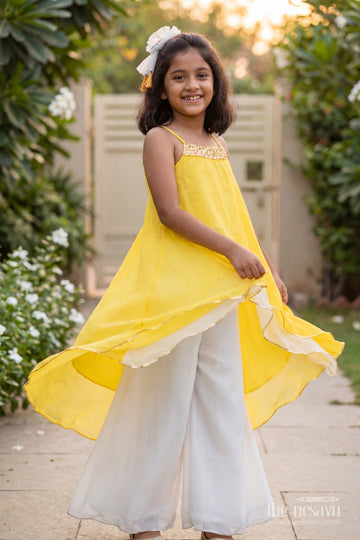
Dressing two kids for a family function? Let each one choose their own look in the same colour family so no one feels they got the worse deal. Our Siblings in Sync collection has matching but not identical outfits.
When to ask for help
If fights often lead to injuries, if one child seems scared of the other, or if you notice a big change in mood, sleep or school behaviour, talk to your paediatrician or a school counsellor. This is general parenting information, not medical advice.
Frequently asked questions
Should I let my kids fight it out?
For minor squabbles, give them a minute to try to sort it out. Step in straight away if there is hitting, name-calling or one child is much stronger or louder than the other.
What if one child always blames the other?
Skip the blame game. Ask each child what they need and what they could do differently next time. Praise the child who owns a mistake, however small.
How much sibling fighting is normal?
Regular squabbles are common, especially when kids are tired or bored. If fights are violent, constant, or one child seems afraid, speak to a paediatrician or school counsellor.