



















































































































































Quick answer: Friends rarely appear in week one. For most children aged 6 to 12 it takes a few weeks of small, repeated contact: the same faces, the same activity, the same spot. Your job is to set up gentle chances, listen without fixing, and stay calm. Below is a four-week plan you can follow at your own pace.
Why the first weeks feel so lonely
Groups have already formed, everyone knows the jokes, and your child is still finding the water bottle tap. Many children go quiet, and some come home cranky or tired, which is normal. Being new is tiring, and tiredness looks like bad mood.
Before day one: a few easy wins
- Visit the school together once if you can, and walk the route from the gate to the classroom and the toilets.
- Practise a one-line hello at home: 'Hi, I'm Aarav, I just joined.' Say it in a silly voice first, then a normal one.
- Let your child pick the bag, bottle and outfit. Feeling comfortable in what you wear is a quiet confidence boost.
- Agree on a goodbye ritual, like a high five at the gate, and keep it short.
Week 1: Just get through it
- Help your child find one safe grown-up: the class teacher, the librarian or the sports sir.
- Skip 'Who did you play with?' for now. Try 'Who sat near you?' or 'What was the funniest thing today?'
- Pack a small thing to share, like two pieces of a favourite snack, so there is a reason to say hello.
- Keep evenings quiet. Early dinner, early sleep.
Week 2: Find one regular spot
- Join one club, sport or activity that meets at the same time each week. Familiar faces are how friendships start.
- Ask your child to learn just two classmates' names this week. That is the whole goal.
- Send a short note to the class teacher: 'We are new, any child you think mine would click with?' Teachers usually know.
Week 3: One friend, one playdate
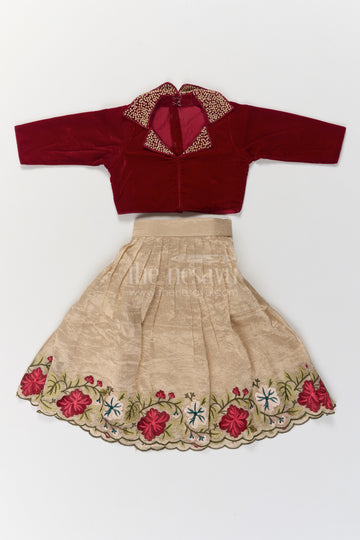
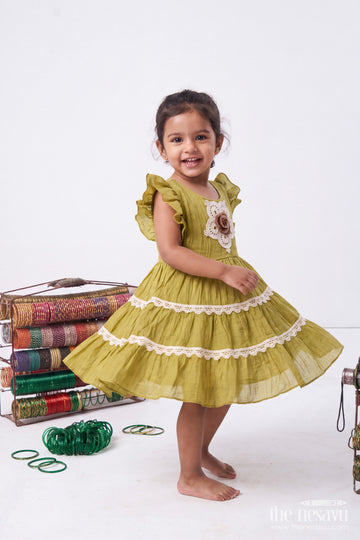
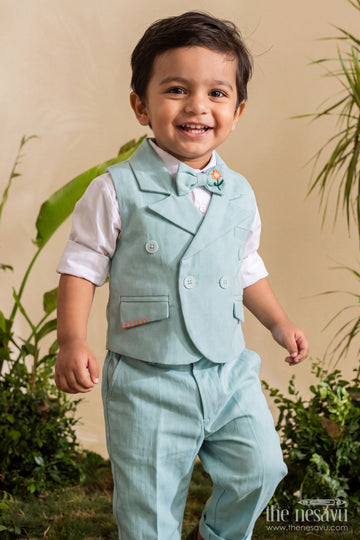
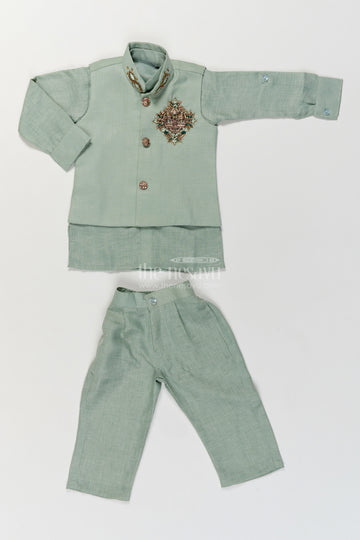
Invite one child, not a group, for about 90 minutes. Plan an activity so nobody has to make small talk: carrom, cycling, baking, a board game or a treasure hunt. Ask the class parent group for one family living nearby. For the day, comfortable, easy-to-move-in clothes help, and our playdate and everyday collection has plenty. Everything is ready stock and dispatches in 1 to 3 business days.
Week 4: Check in and adjust
- Ask what is working and what still feels hard, then let your child choose the next step.
- Notice who your child talks about at home. That is often the friend in the making.
- If recess is still spent alone, talk to the teacher about a buddy system or a seat change.
If your child is shy or slow to warm up
Some children simply prefer one close friend to a big gang, and that is fine. Aim for one kind classmate, not a crowd. Shared interests work best: a child who loves drawing, cricket or Lego can start with that. Rehearsing at home, with you playing the new classmate, makes the real thing less scary.
Free printable
For the younger end of this age group, our Feelings Chart gives your child faces to point at when words are hard. Keep it by the bed for a quick evening check-in.
What helps at home
- Listen first. Say 'That sounds hard' before offering a fix.
- Share one of your own new-place stories, with a happy ending.
- Praise effort, such as 'You said hello today', not results like 'You must make friends'.
- Avoid comparing with a sibling or cousin who makes friends easily.
When to talk to the school or a doctor
- Your child refuses to go to school on most days, or has tummy aches or headaches mostly on school mornings.
- Changes in sleep or eating, or a sad mood that lasts more than a couple of weeks.
- Any mention of being teased, hurt or left out on purpose. Speak to the class teacher or school counsellor first.
- If low mood or worry continues, speak to your paediatrician or a child counsellor.
This is general information, not medical advice.
Frequently asked questions
How long does it take a child to make friends at a new school?
It varies a lot. Many children need a few weeks to a couple of terms. Regular contact in the same activity or class helps friendships form.
My child says nobody likes them. What do I say?
Listen and name the feeling first, for example 'That sounds really lonely'. Then ask for one small thing that went well today and plan a small step for tomorrow.
When should I worry?
If your child avoids school, seems low for weeks, changes in sleep or eating, or mentions being bullied, speak to the teacher or school counsellor and, if needed, your paediatrician.