





























































































































































Quick answer: The first 40 days after birth have three jobs: feed the baby, rest your body, and let everything else slide. Your recovery, your sleep and your mood matter as much as the baby's schedule. Say yes to help, say no to unasked advice, and call the doctor early whenever something feels off.
Why the first 40 days matter
In many Indian families the first 40 days are a special time, with extra rest, home food and plenty of hands around. The idea is a good one even if your home looks different. A new mom is healing from birth, running on broken sleep and learning a tiny stranger, all at once. You are not behind if you have not bounced back. There is nothing to bounce back to yet.
Your body: what to expect
- Bleeding is usually heavier at first and then slowly lightens over the weeks.
- Soreness, cramps while feeding and stitch or wound pain should ease day by day. Follow your doctor's care instructions for stitches or a C-section wound.
- Your breasts may feel full, tender or leaky while feeding settles in.
- Night sweats, hair fall and feeling puffy are common.
- Rest beats steps. A slow walk is fine if your doctor agrees, but heavy lifting, stairs and housework can wait.
The baby: what is normal
- Newborns sleep in short stretches, day and night, and wake often to feed. Mixing up day and night is normal for the first weeks.
- Crying often increases in the early weeks. Hunger, wind, a wet nappy, tiredness or simply wanting to be held are the usual reasons.
- Frequent feeding is normal. Wet and dirty nappies through the day are your best sign that feeding is going well.
- The cord stump dries and falls off by itself. Keep it clean and dry the way the hospital showed you.
- Sneezing, hiccups, peeling skin and funny breathing sounds during sleep are very common.
Your head and your heart
Many new moms feel weepy, anxious or overwhelmed in the first couple of weeks. This is common and usually eases. If the low mood lasts longer, gets heavier, stops you sleeping even when the baby sleeps, or brings scary thoughts, tell your doctor or someone you trust that very day. Asking for help is part of looking after your baby.
Visitors and family: set the rules early
- Ask guests to wash their hands first, and to stay away if they are unwell.
- Pick one family member as the gatekeeper who says "she is resting now" so that you do not have to.
- Keep visits to about 20 minutes. Guests who bring food or fold a few clothes are always welcome.
- You decide who holds the baby.
- Advice is optional. "Thank you, we will check with the doctor" is a complete sentence.
A simple day plan
- Feed the baby when they show hunger cues, like rooting, lip smacking or hands going to the mouth.
- Eat something warm every few hours and keep water within reach.
- Sleep when the baby sleeps at least once a day, even for 30 minutes.
- Sit by a bright window or step outside for a few minutes if you feel up to it.
- Hand the baby over for one stretch so you can bathe in peace.
- Write your questions down for the next doctor visit, because you will forget them.
What you can happily skip
Perfect photos, thank-you calls, a spotless house, and any schedule that makes you cry. Your baby needs you fed, rested and nearby. Nothing else is urgent.
Free printable
Still packing or planning ahead? Our Hospital Bag Checklist covers what to carry for mom and baby, so the first days go smoothly.
Clothes that make the first weeks easier
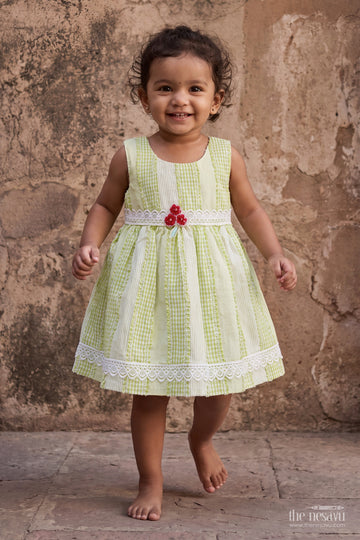
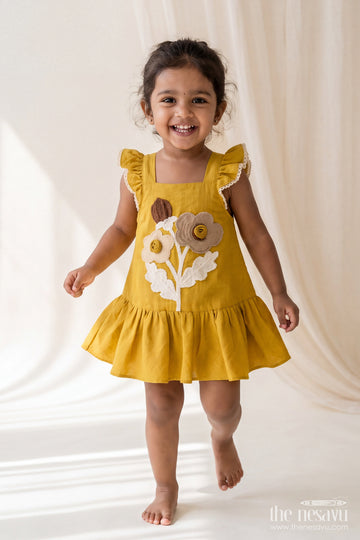
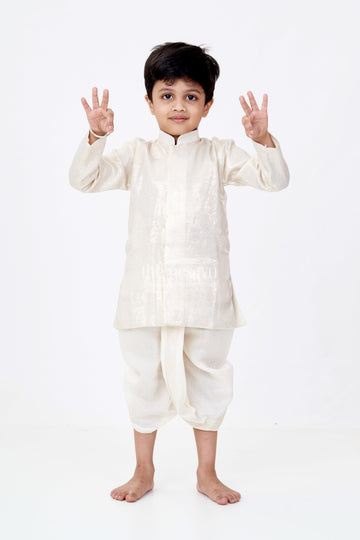
Night changes are quicker in soft cotton with front openings and no scratchy tags. Browse our baby collection for gentle everyday pieces.
When to call the doctor
For you: fever, bleeding that soaks a pad in about an hour or passes large clots, severe pain, foul-smelling discharge, a red, hot or swollen wound or breast, a severe headache, chest pain, trouble breathing, a painful swollen leg, or any thought of harming yourself or your baby. For these, get help straight away.
For your baby: a temperature of 38°C (100.4°F) or higher in a baby under three months, refusing feeds, being very sleepy and hard to wake, far fewer wet nappies, yellow skin or eyes that seem to spread, fast or difficult breathing, repeated green vomit, a red or oozing cord stump, or crying you cannot soothe. If your gut says something is wrong, call. You will never be a bother. This is general information, not medical advice.
Frequently asked questions
Why are the first 40 days special in Indian families?
Many families treat the first 40 days as a protected time of rest, home food and extra help for the new mother. Whatever your family follows, the heart of it is the same: let the mother recover while others share the work.
Is it normal to feel sad or teary after having a baby?
Feeling weepy or anxious in the first couple of weeks is common. If the feelings last longer, get heavier or scare you, speak to your doctor soon.
When can I take my newborn out?
Ask your paediatrician for advice that suits your baby. Many families keep outings short and avoid crowded places in the early weeks.