




































































Quick answer: Most babies get their first tooth around 6 months, but anything from 4 months to past the first birthday can be normal. Teething can mean more drool, lots of chewing and a grumpier baby. It does not need medicines or special rituals. A clean, cool teether, a gentle gum rub and extra cuddles do most of the work. A high fever or a baby who looks really unwell needs a doctor, not a teething label.
What teething actually looks like
Every baby does it differently. Some sail through and you only notice a white speck one morning. Others make sure the whole house knows. Common signs include:
- Drool soaking every bib, and your shoulder
- Chewing on fists, toys, the remote and your finger
- Swollen, tender gums
- Being fussier than usual, often worse at night
- Rubbing the cheek or wanting to feed more for comfort
What helps, in the order to try it
- A cool teether. Keep a clean one in the fridge. Cool is lovely, frozen rock hard can hurt tender gums.
- A clean finger. Wash your hands, then press gently on the sore spot for a minute. Many babies love this.
- A chilled wet cloth. A clean damp washcloth, chilled in the fridge. You hold one end while baby chews the other.
- One-piece solid teethers. Choose soft silicone or rubber in one piece, big enough that it cannot go to the back of the mouth.
- Cuddles and a change of scene. A walk around the building, a warm bath, a song. Sore gums feel worse when baby is bored and tired.
- Dry the drool. Pat the chin and neck with a soft cotton cloth through the day. If the skin gets red, ask your doctor or pharmacist what to put on it.
What to skip
- Teething necklaces and bracelets made of amber, silicone or wood. They are a choking and strangulation risk, so please skip them even if a relative swears by them.
- Numbing gels, tablets and powders unless your doctor has told you to use a particular one.
- Honey on the gums. Honey is not for babies under 1 year.
- Hard or frozen foods to gnaw on, like a whole raw carrot or a frozen chunk of fruit. Pieces can break off and cause choking.
- Blaming everything on teeth. Teething is not a good explanation for a high fever, a bad cough, vomiting or a rash. Look for the real cause.
Nights during teething
Gums can feel sorer when it is quiet and dark, so you may see more waking. Keep the usual routine, offer comfort, and try not to start new habits at 2 a.m. that you will not want in two months. Most babies settle back once the tooth is through.
A small teething kit for the bag
- Two clean teethers, one in the fridge and one in the bag
- A few soft cotton cloths for drool
- A clean damp washcloth in a zip pouch for outings
- A spare top, because drool finds a way
Looking after the first teeth
- Once a tooth appears, clean it gently with a soft baby brush or a clean damp cloth twice a day.
- Ask your paediatrician or dentist which toothpaste and how much to use.
- Avoid putting baby to bed with a bottle of milk or any sweet drink.
- A first dental check around the first birthday is commonly suggested.
Easy clothes for a drooly baby
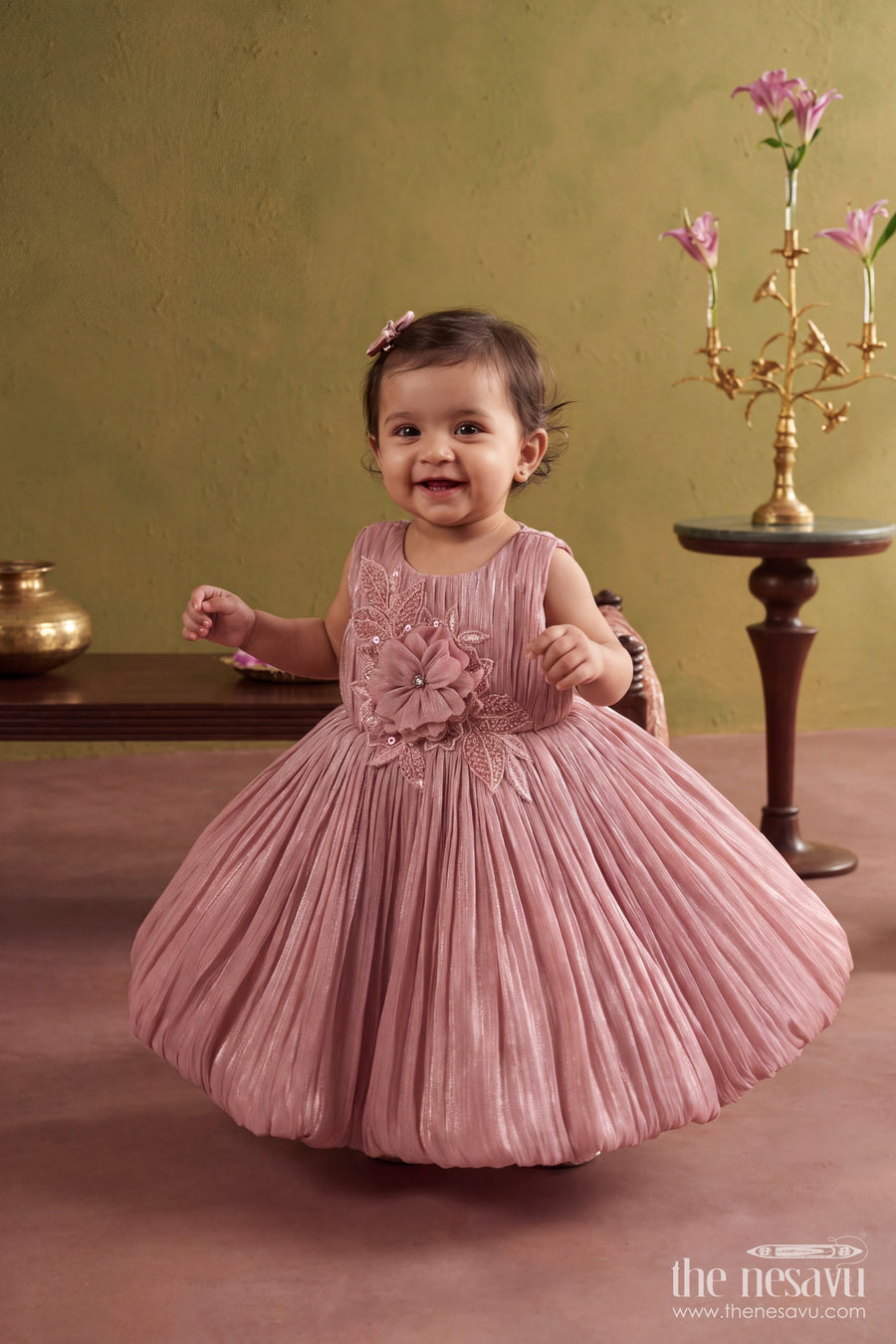
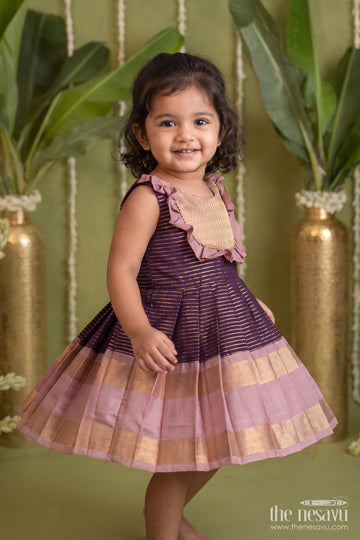
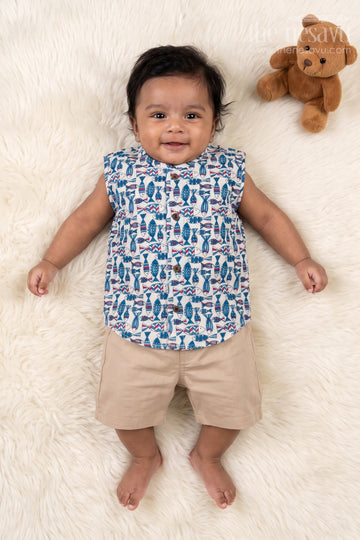
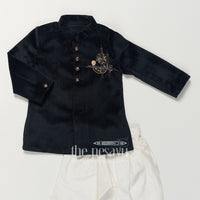
Soft cotton, front-opening or stretchy necks, and spare outfits in the bag will make the next few months easier. Our baby collection is ready stock, with dispatch in 1 to 3 business days, and you have a 7-day window for size exchange on India orders.
When to call the doctor
- Any fever in a baby under 3 months, or a high fever, or one that does not settle, in an older baby
- Refusing feeds, fewer wet nappies than usual, or being very sleepy or floppy
- Crying that you cannot soothe, or a cry that sounds different
- Diarrhoea, vomiting, a rash, or a swollen face or gum with pus
- No teeth at all by around 18 months. This is often just a late bloomer, but mention it to your doctor or dentist
This is general information, not medical advice. If something feels off, trust your instinct and call.
Frequently asked questions
At what age do babies start teething?
Most babies get their first tooth around 6 months, but it can appear anywhere from about 4 months to after the first birthday and still be normal.
Does teething cause fever?
Teething can make a baby warm and cranky, but it is not a good explanation for a high fever. If your baby has a fever that is high or does not settle, call your doctor.
Can I use a teething gel?
Skip numbing gels unless your doctor tells you to use one. Ask your doctor or pharmacist before giving your baby anything for sore gums.